


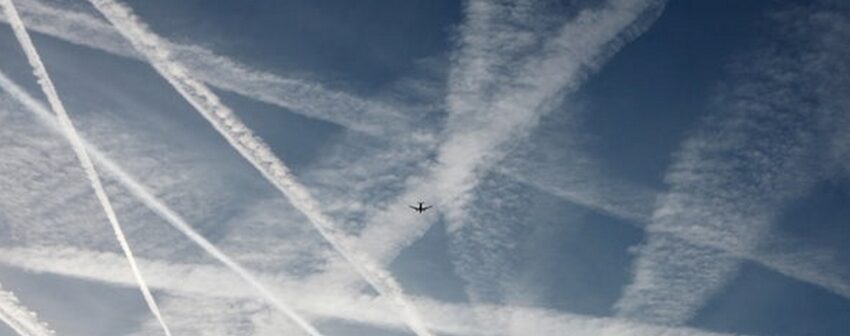
The contrail story.
Ever hear the talk on the prevalence of contrails these days? Its common to hear complaints and accusations of what some say are chem-trails. Seems obvious there are more of these now than before, but why? Is it some nefarious chemical poisoning plan, completely natural occurrences, or something in between? Some dismiss it as a result of increased air traffic, but does that really explain it? Air travel has increased. Data indicates anywhere from 3 to 7 percent annually since 2020 which is significant, yet the 70s were a close rival.
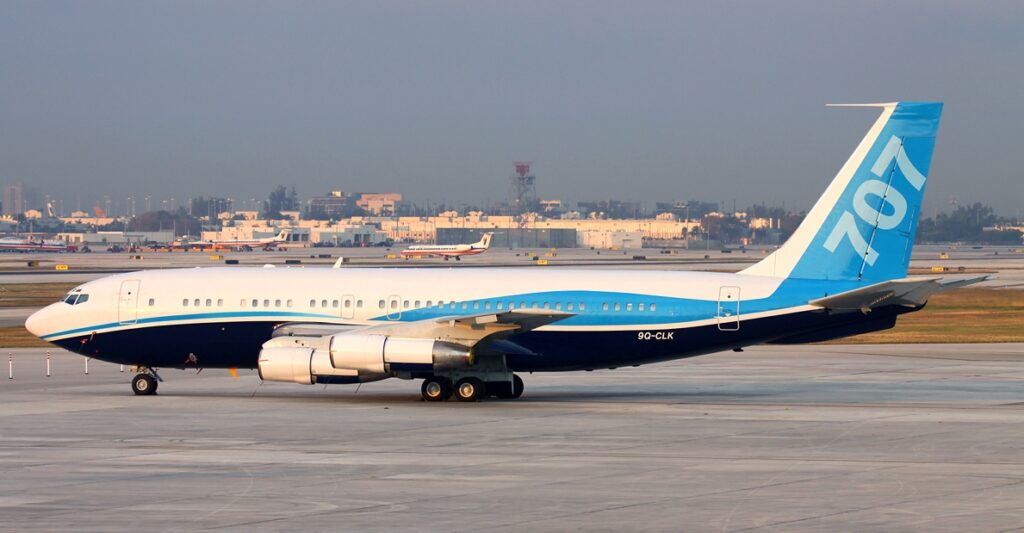
Air travel was in it’s hay day in the 70s and there wasn’t much concern over contrails either. Is there some differences that account for it? The 707 was popular at that time though it could only carry up to 189 passengers. It did not take long before wide bodies were all the rage and its easy to why. A 707 used 33% more fuel than a 747 and carried far less people. Most wide bodied aircraft at that time had ceilings between 41,000 and 43,000ft with little notice of contrails. Today, the wide body has been replaced but the maximum ceilings remain around 41000ft.
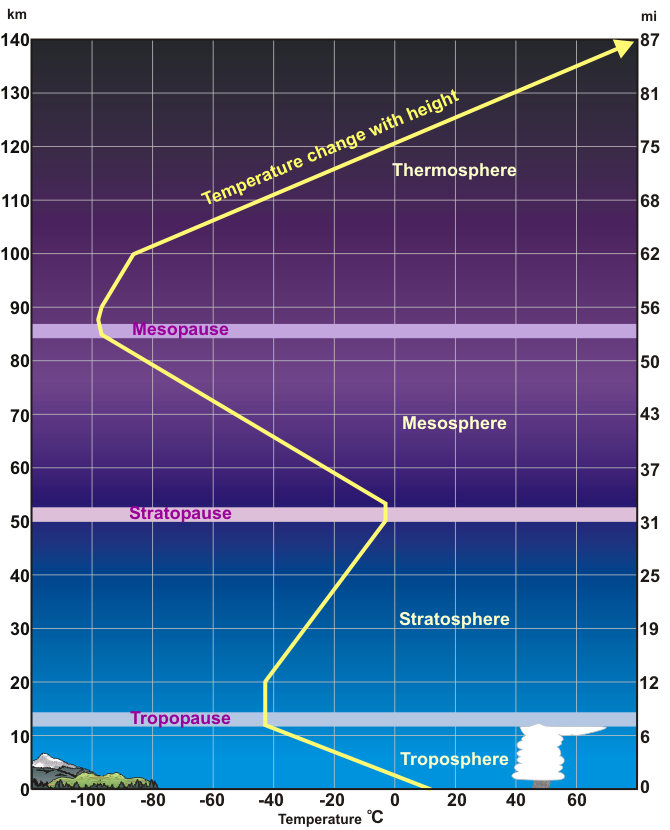
Contrail formation has been extensively studied. The Air Force concluded contrail formation is most likely at altitudes at or above 35,000 feet and at temperatures below -58°F (-50°C). The Appleman Contrail Forecast chart has been used since 1953 to predict contrail formation. Yet here we are with more of them than ever. The area jet planes fly at is known as the Stratosphere which extends from from 6-20 km above the Earth’s surface to around 50 km. This layer holds 19 percent of the atmosphere’s gases but very little water vapor. In this region, the temperature increases with height. Heat is produced in the process of the formation of ozone, and this heat is responsible for temperature increases, from an average -60°F (-51°C) at Tropopause to a maximum of about 5°F (-15°C) at the top of the Stratosphere.
It makes sense then that planes flying in the lower parts of the Stratosphere would be subject to creating more contrails. Flight levels of 34 to 39K are very common.. In fact, levels in our area are highly consistent at an average of 36,444 with very little deviation. Temperatures reported while in flight at these levels are in the -40 to -60°C range as well. This amounts to flying in the known contrail creation zone so it doesn’t seem all that surprising we are seeing more. Another study suggests these trails can easily be mitigated up to 60% by simply adjusting 2% of air traffic’s altitudes. Research has shown trails can have significant negative impacts for us on the ground by creating artificial cloud cover that blocks sunlight and traps night time heat altering our experiences and weather.
Perhaps chem trail folks may have something right after all. The lack of corrective action yields itself to the idea of deliberate trail production providing fuel for the chem trail theories. All the while, some simple changes could easily mitigate much of what we see. The estimated fuel costs in diverting some flight altitudes is only 2-3% more and applies only to the 2% of traffic being diverted. It is a reasonable action if there were concern over climate but instead they attack straw and plastic fork usage.
On a final note, there are situations of chemical dispatch from aircraft. Every year crops are sprayed and fires are fought using chemicals and planes. On occasion, cloud seeding efforts to produce rain happen but these are all done with specialized aircraft designed for that purpose. Not to say a cargo plane could not dump something somewhere, but the vast majority of what we are seeing is a known phenomena with known ways of combating it. The fact we are not, leaves the deliberate debate wide open.