


Canada hosted United Nations negotiations in Ottawa recently to develop a global agreement on plastic pollution by the end of 2024. Tall order considering over 90% of the products today contain some form of plastic. A 712 billion dollar global market employing over 1.5 million in the US alone is the target. This 8th largest US industry may be a tough one to tame.
I can picture a room full of politicians eating from plastic plates with plastic cutlery drinking from red solo cups while discussing the use of plastic. Humor aside, there are real issues with increasing debris from extensive use of plastics. Properly disposing of waste being primary. The image of thin grocery bags stuck on some tree branch or fence flapping in the breeze comes to mind. Environmentalists say these products will not degrade for up to a thousand years. Those bags seemed to degrade faster than you could get your stuff home. Many of the sun baked ones were already turning to power within a year.
Not all plastic breaks down that quickly, but methods used to estimate time lines are far from accurate or reasonable. There hasn’t been enough experiential time to validate predictions many of which are based on bio-degradable organics. Elimination of plastic grocery bags probably didn’t amount to more than removing some flapping road decor. From wet bottomed paper bags banned for impact on trees to plastic bags banned for inability to decompose well. Dirty, germ filled, pricey cloth bags dominate now at least until someone realizes it.
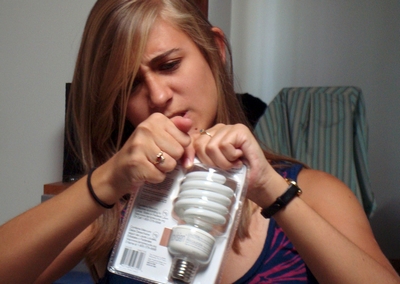
Forgotten until the struggle to open a new package results in bringing in the chainsaw from the garage is the real culprit – the shipping industry. Why not just quit making those death traps? Packaging accounts for 40% of plastics produced. Amazon used 700 million pounds of plastic packaging in 2021. Yet even they reduced 11.6% of their usage the following year. Looking at any shipping/receiving site reveals an astounding amount of disposable plastic with insane amounts of wrap holding it all together.
Plastics are just so versatile. Light weight, relatively strong, easily shaped, and rather inexpensive. It replaced glass bottles though much of it was recycled already (refundable bottles). Unfortunately, glass was bulky and heavy which increased storage area and cost to ship. More efficient to use plastics in place of most other materials, except when marketing decided a fridge compressor could be built with it. A true exercise in creating regular repeat business as until that moment compressors lasted for decades.
The meeting held did not appear to have public consultation nor were large industry players invited. It is likely decision makers will miss key improvements while damaging industry and employment instead. In the end, consumers pay while politicians feather their caps and proclaim what good they have done. Justification will be squarely aimed at the 93% of plastics made with fossil fuels ignoring legitimate use and benefit while the crazies are voted back into office.