


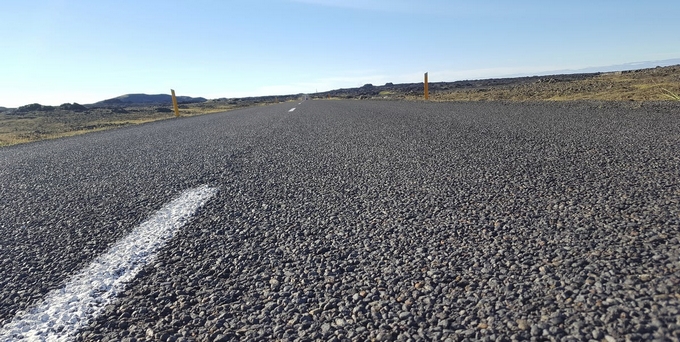
It seems chip sealing is all the rage these days. Chip sealing, or surface dressing, is used by many municipalities as a alternative to resurfacing in an effort to save time and cost. In some situations it may make sense to use this method but often it is seen being done to roads that simply do not show any reason for it.
Take the #1 from Moose Jaw to Regina, for example. A perfectly good stretch of one lane was covered using this method making that section of road both hazardous for rocks and extremely rough on tires. The original surface was actually in very good condition compared to many others. More recently, shoulders of highway 16 from Yorkton west bound were done with the same, again, for no real apparent reason. They too were in good condition especially compared to the surface from Yorkton to Manitoba which has embarrassingly become degraded so it doesn’t qualify as a highway at all.
Why are perfectly good surfaces being graveled over? Is it poor assessment and planning or just another way of creating road hazards? Even if the road could benefit from this practice there are downsides. The additional loose stones generate a high potential for rocks in the wind screen. This technique further has the insidious side of taking a toll on tires. As the surface is rough, it degrades tires quickly and reduces fuel mileage.
There would likely be little objection if this was done on roads exhibiting need, but far too often it appears on perfectly smooth roads which were better before the work was done. Even if the thought process was to delay resurfacing, it comes at a high cost to consumers. This surface can easily erode softer tires, is much more noisy, and wastes fuel which all seems counter intuitive to so called green initiatives. Because these effects are only borne by the people, until they demand better, we are likely to see more broken wind screens and blown tires. Till then, enjoy your travels.