


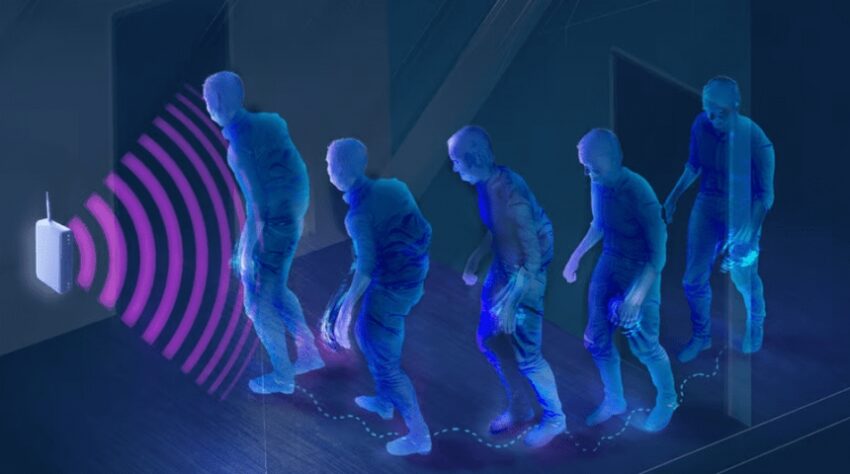
Using WiFi to monitor people and movement has been in development for quite some time. Fall detection prototypes were around back in 2015. Since then, AI has further contributed into making this more of a reality than ever before. Accuracy has been an issue for some time but with the help of new technology to help with things like gate recognition it may soon gain momentum. Gamgee is company that is now promoting its use for fall detection and home alarm monitoring.
On the surface, this tech could prove useful in the care of the elderly allowing for non tethered fall monitoring or home monitoring without the use of cameras. It does require excellent WiFi coverage which generally means a mesh network of access points in and around the home. If this becomes more of the norm, it may lead to that ability being embedded in all WiFi products by default. As with anything, there are good and bad uses for a product.
The downside to this tech is another means by which companies and hackers can access personal information. Using WiFi as radar to watch people isn’t anything new – it has been done clandestinely to gather intel many times. As this becomes mainstream, however, the ability to glean more information from everyday users increases. Most people will take no notice just as they haven’t with voice applications like Siri, Alexa, and Cortanna. Still, laws and regulations as to the use of this tech fall far behind the nefarious abilities of those who would use it for personal gain.
Each added technology in the home has the potential to leak some form of information. The combined data from many of these sources already produces an extremely accurate profile from which to server advertising, content, and determine habits. Adding one’s gate and physical habits to voice and facial recognition that is tied to a persons surfing and purchasing means nothing of the person remains very private. There are clear benefits but also unacknowledged dangers for every additional tech we bring into our lives and privacy may simply be thing of the past now.